


Parents and carers play a crucial role in shaping young people’s aspirations and confidence. You do not need to be an expert in careers or qualifications to help. What matters most is listening, encouraging exploration, and helping your child make informed choices at key transition points.

Talk little and often about school subjects, interests, and achievements.
Ask open questions such as:
What do you enjoy learning about?
What are you proud of this term?
What would you like to find out more about?
Avoid pressuring your child into a single pathway too early. Careers develop over time.
Young people benefit from understanding the full range of post-16 and post-18 options, including:
Sixth form and college courses
Apprenticeships and technical education
Employment with training
University and degree apprenticeships
Balanced information helps students make choices that suit their strengths, interests, and learning style, not just what feels familiar.
![How To Choose The Right Career Path [The Ultimate Quick Guide]](https://inhuntworld.com/wp-content/uploads/2021/12/career-path.jpg)
Support your child to research options using reliable, up-to-date sources:
National Careers Service
Careers information, job profiles, and advice for young people and parents
https://nationalcareers.service.gov.uk
UCAS
Information on post-16 options, apprenticeships, and university pathways
https://www.ucas.com
School and college careers webpages and newsletters
Encourage your child to compare routes and think about entry requirements, progression, and future opportunities.
Encourage your child to attend careers events, assemblies, employer talks, and open evenings.
Help them prepare questions, but allow them to speak for themselves.
Discuss pros and cons together, rather than telling them what to choose.
This builds confidence, independence, and ownership of their future plans.
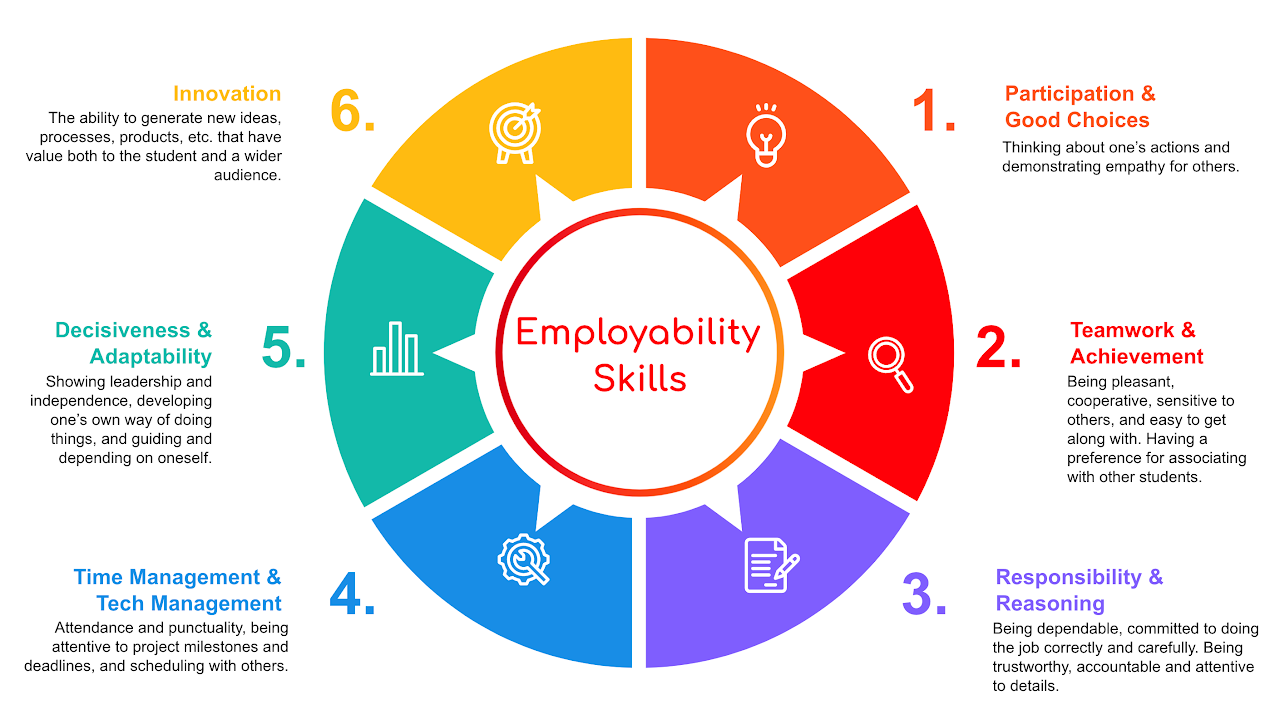
Many employers value skills developed both inside and outside school. You can help by encouraging:
Participation in clubs, sports, volunteering, or part-time work (where appropriate)
Good organisation, punctuality, and reliability
Reflection on experiences: What did you learn? What skills did you use?
These experiences strengthen applications for courses, apprenticeships, and jobs.
Know who the school’s Careers Leader is and how to contact them.
Read careers communications and attend events when possible.
If your child has additional needs, ask about tailored careers guidance and transition support.
Schools are required to provide impartial careers guidance and welcome parental engagement.
Career paths are rarely linear. Many adults change direction, retrain, or progress in unexpected ways. Reassure your child that:
It is okay not to have everything decided yet
Choices can be reviewed and changed
Skills and qualifications gained now will still be valuable later
You can support your child’s career journey by:
✔ Talking regularly and positively
✔ Encouraging exploration of all options
✔ Using trusted careers information
✔ Promoting independence and confidence
✔ Working in partnership with the school
Small, consistent support from home can make a big difference to a young person’s future.
For further information, please feel free to contact Mr Parker CEIAG Lead jparker@nationalacademy.org.uk